

International news outlets track Algeria’s final preparations before parliamentary vote
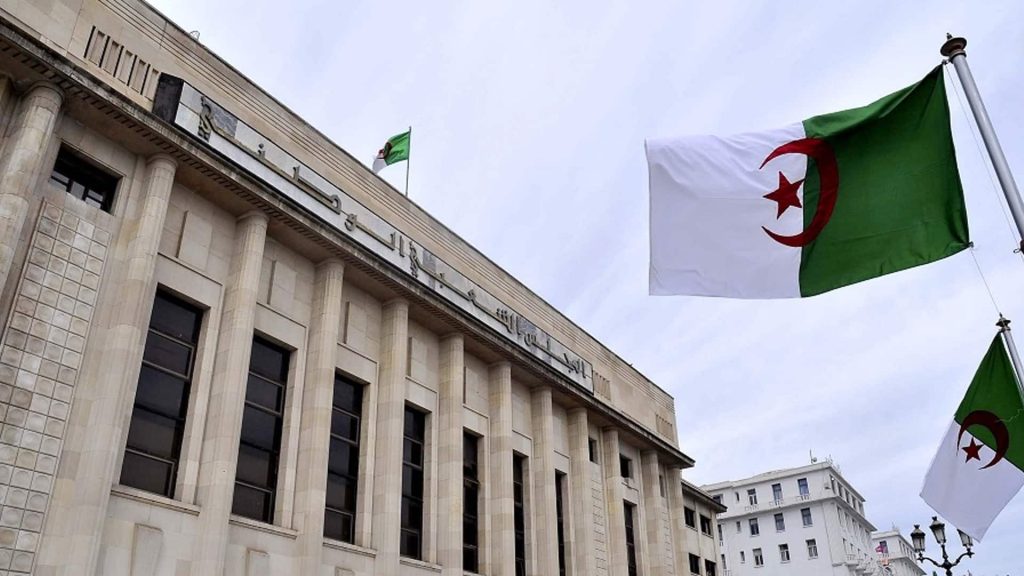
As Algeria heads into its July 2 legislative elections, international media outlets are paying close attention to the country’s final preparations, highlighting the launch of overseas voting, the start of the electoral silence period and special measures put in place for voters in remote areas.
In neighboring Niger, the Niger News Agency reported that voting for Algerian citizens living abroad began under what it described as well-organized conditions. According to the report, polling stations opened after embassy officials in Niamey completed their final checks the previous evening.
The agency also spoke with several Algerian voters in the capital, who said taking part in the election was both a right and a responsibility. Many praised the efforts made by the Algerian Embassy, pointing to the organization and logistical support provided to ensure the vote ran smoothly.
The African Press Agency also covered the opening of overseas voting, noting that the process follows the timetable set by Algeria’s National Independent Authority for Elections (ANIE).
It reported that 854,285 registered voters living in 58 countries are eligible to cast their ballots, out of a national electorate of more than 24.7 million.
The agency also drew attention to one of the notable changes in this election: the expansion of parliamentary representation for Algerians living abroad. The number of seats reserved for the diaspora in the People’s National Assembly has increased from eight to twelve.
Spanish news agency EFE focused on the beginning of the electoral silence period, which started on Monday after three weeks of campaigning.
According to EFE, the campaign was largely centered on encouraging voter participation, with political parties and independent candidates holding rallies and public meetings across the country to present their platforms and urge citizens to head to the polls.
In Kuwait, newspaper Al-Seyassah reported on the opening of voting at the Algerian Embassy, where Ambassador Omar Belhadj called on members of the Algerian community to participate in large numbers, saying strong turnout would reflect their commitment to national affairs.
The paper added that the ambassador thanked the Kuwaiti authorities, including the Ministries of Foreign Affairs and Interior, as well as security services, for helping facilitate the voting process.
Elsewhere, the BBC published an explainer on Algeria’s electoral system, describing these elections as the first parliamentary vote to be held under the constitutional reforms approved earlier this year. The report also looked at amendments to the election law and the introduction of a new law governing political parties.
Al Jazeera highlighted Algeria’s readiness for the vote, noting that the country has entered the mandatory campaign silence period while voting has already begun for nomadic communities through mobile polling stations operating across 15 southern provinces.
The same developments were reported by the Arabi 21 news website and Turkey’s Anadolu Agency, both of which pointed to the start of electoral silence and the rollout of mobile polling stations as part of the final preparations before polling day.
With voting now underway for citizens abroad and in remote areas, Algeria’s legislative elections are drawing growing international attention. For many observers, the focus is no longer on the campaign itself, but on how the voting unfolds in the days ahead.

Related posts
Algeria joins AU efforts to secure fair African representation at UN security council
Tebboune: Algeria pays nearly 12 billion DZD in wildfire compensation
Attaf:Al-Quds status is a matter of justice and international legitimacy
Attaf represents Algeria at G77 and china FMs’ meeting in New York
Attaf, Boulos discuss Algeria-US relations and regional issues
Attaf holds talks with Zimbabwean, Somali and Beninese Counterparts at UN
Algeria inaugurates automotive plastics plant in Tissemsilt