

Algeria considers private investment in air and maritime transport
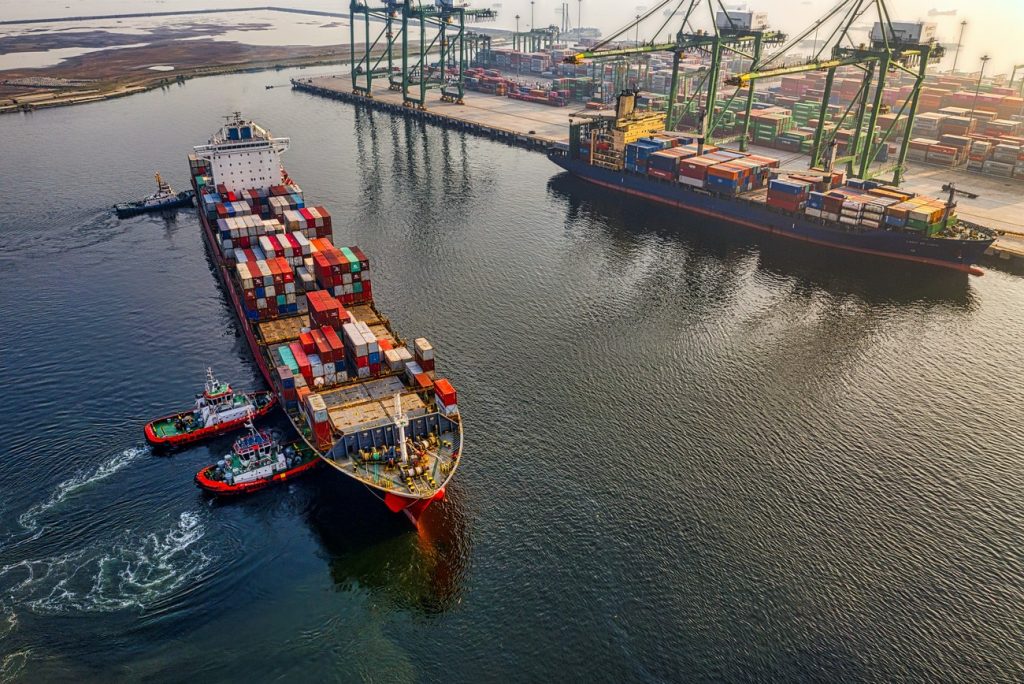
Algeria is considering expanding private investment opportunities in its air and maritime transport sectors, in a move aimed at attracting new operators, boosting competition and developing passenger, freight and logistics services.
The government discussed prospects for opening both sectors to private investment during its meeting on Wednesday, chaired by Prime Minister Sifi Ghrieb, as part of the state’s broader efforts to promote domestic investment and diversify economic operators.
According to a statement by the Prime Minister’s Office, the government stressed the importance of establishing the necessary legal, regulatory and economic conditions to attract private investors and encourage them to engage in air and maritime passenger transport, freight services and logistics activities.
The initiative is expected to bring new momentum to the two strategic sectors by broadening investment opportunities and strengthening the role of private operators.
The meeting also addressed plans to accelerate the development of air freight services by strengthening the international operational capacity of Algerian companies, expanding flight routes and renewing fleets. These measures are intended to increase capacity and better meet the needs of economic operators.
Meanwhile, the government reviewed the National Public Institutional Communication Programme, which seeks to establish an integrated strategy guaranteeing citizens’ right to access accurate and reliable information.
The programme includes upgrading human resources, adopting modern technological solutions and ensuring transparent and efficient information flows, alongside introducing indicators to assess performance and reliability.
The government also examined a national technical plan to rehabilitate damaged forest areas and strengthen their resilience to climate change. The plan was developed in coordination with relevant ministries and in consultation with environmental and climate experts.
It focuses on assessing damage to natural ecosystems, prioritising intervention according to the severity of degradation, restoring vegetation cover and introducing preventive measures to protect local populations. It also identifies the sectors responsible for implementation and incorporates climate considerations into the broader prevention strategy.
The government meeting opened with a presentation on progress in implementing presidential decisions concerning the agricultural sector, issued during the Council of Ministers meeting held on November 8.

Related posts
Attaf: End of MINURSO mandate does not end Western Sahara issue or undermine right to self-determination
Attaf: Algeria’s security and stability remain non-negotiable priorities
Paul Amar’s algeria allegations backfire on french TV
Algeria enters 72-Hour electoral silence ahead of November 28 local elections
At President Tebboune’s invitation, 100 American tourists to discover Algeria from november 9 to 15
Bendjama rejects attempts to bypass Sahrawi Self-determination at UN
Chanegriha inaugurates new military unit headquarters in Algeria’s 3rd military region