

Sonelgaz Technical Team Arrives in Niamey to begin on-site phase of Power Plant Project
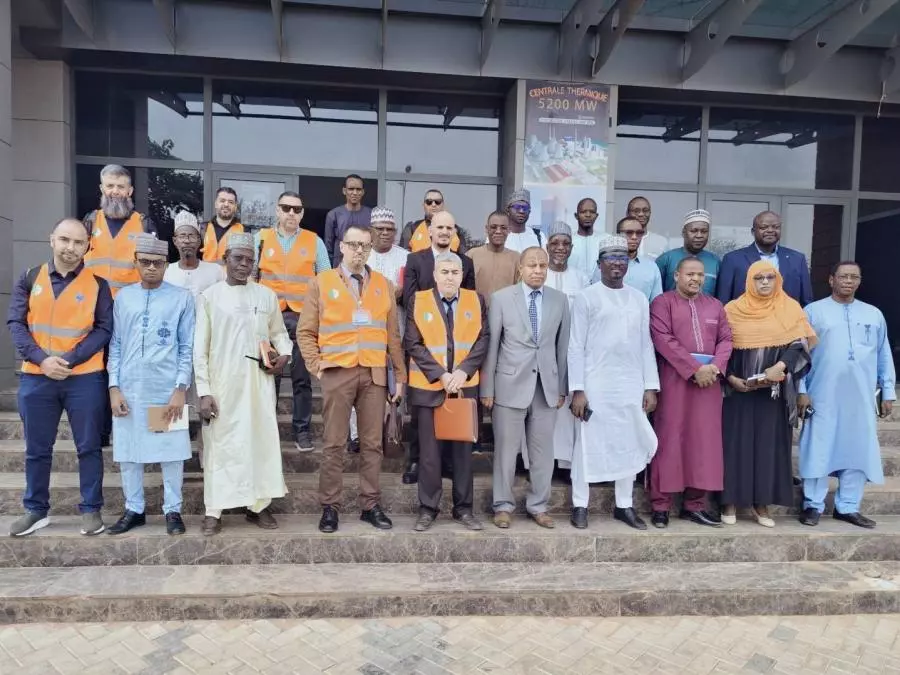
Sonelgaz Group announced in a statement the arrival of its technical team, Friday, in the Nigerien capital, Niamey, to begin the field assessment for the power plant project for the benefit of the Nigerien Electricity Company (Nigelec), APS reported.
The technical team will conduct a series of field studies to assess the site readiness, including inspecting the existing infrastructure, studying grid connection requirements, and verifying the site’s compliance with approved technical standards, the statement added.
The statement also clarified that the move is a prerequisite for launching construction in line with the set deadlines and according to the highest quality standards.
Furthermore, the delegation is in charge of a thorough assessment of requirements for electrical and gas equipment. This initiative forms part of a broader, integrated strategy designed to assist Nigelec in establishing a centralized warehouse for materials and equipment. The facility will serve as a cornerstone for projects focused on building and expanding electricity networks across high, medium, and low voltage levels.
The mission is a tangible implementation of the outcomes of the coordination meeting held on February 18 via videoconferencing between Sonelgaz officials and their counterparts from Nigelec, Sonelgaz Group says. During that meeting, it was agreed to “accelerate the pace of work and finalize the technical and organizational aspects of the project, ensuring the actual commencement of works at the earliest possible date”.
The project consists of constructing a power plant in the Gorou Banda area of the capital, Niamey, by installing two gas turbines with a capacity of 20 MW each, The same source stated. Adding that this project represents a new step in the “strategic” partnership between Sonelgaz and Nigelec, which “is not limited to building additional production capacities but extends to accompanying the development of transmission and distribution networks, transferring expertise, and providing training and capacity-building programs in the fields of electricity production, transmission, distribution, and engineering—whether through field presence or remote training mechanisms,” according to the statement.

Related posts
Bendjama rejects attempts to bypass Sahrawi Self-determination at UN
Didouche Mourad..The youngest of the six historic leaders of Algeria’s revolution
Algeria’s upper house unanimously approves army deployment to Niger
Tebboune: Algeria Respected for Independent Foreign Policy and Regional Peace Role
Bendouda Calls for Cultural Sovereignty at Saint Petersburg Forum
Attaf, Boulos discuss Algeria-US relations and regional issues

Air algérie launches direct Algiers-Berlin route