

Hidden Treasures at Risk: Why Algeria and the US Are Joining Forces on Archaeological Protection
ANN- Algeria and United States are stepping up joint efforts to protect cultural heritage and fight the illegal trade in antiquities, as both sides look to strengthen coordination on archaeology, museums, and cultural security.
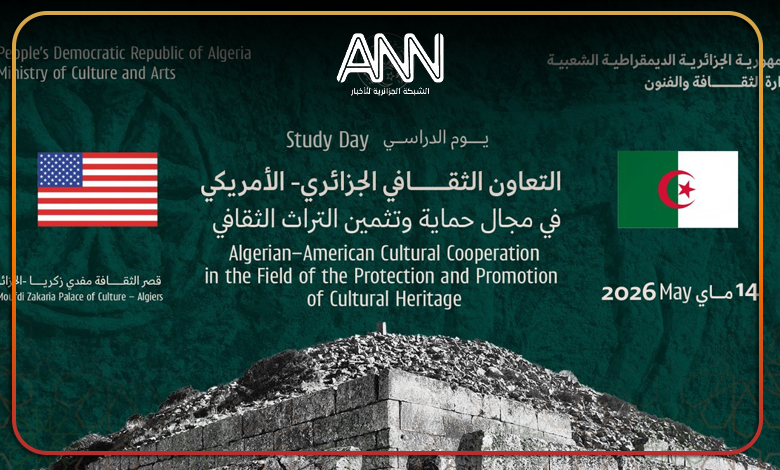
A study day held at the Palace of Culture in Algiers brought together experts from both countries. The discussions were technical at times, but the message was straightforward: cultural property is still vulnerable, and the systems meant to protect it need updating.
The meeting took place within the framework of ongoing cooperation between Algeria’s Ministry of Culture and Arts, the Ministry of Foreign Affairs, and the U.S. Embassy in Algiers. Officials say it is part of implementing a memorandum of understanding between the two governments on monitoring the movement of cultural goods and tightening controls against illicit trafficking.

Focus on enforcement and legal coordination
According to the Algerian Ministry of Culture, the goal is not just symbolic cooperation. It is about making existing agreements work in practice — especially when it comes to tracking, documenting, and stopping the illegal circulation of cultural objects.
Experts from Algeria and the United States presented case studies and technical assessments during the sessions. Much of the discussion centered on how prepared museums and archaeological institutions actually are, from infrastructure to documentation systems.

Rock art in the Sahara and the role of technology
One of the most discussed examples was the rock art site of “Tifedest” in the Ahaggar cultural park. The site, rich in prehistoric engravings, is seen as both a scientific treasure and a fragile heritage zone.
Participants pointed to digital tools and modern scanning technologies as a possible way forward — not as a replacement for field protection, but as support. The idea is to document the site more precisely and reduce the risk of irreversible loss caused by weather conditions or human activity.

Museums under pressure to modernize
The talks also turned to museums and how they are managed. There was a clear push for modernization, especially through digital systems that can improve cataloguing, storage, and public access.
Some experts stressed that museums are no longer just exhibition spaces. They are becoming data-driven institutions, and without digital infrastructure, managing collections becomes slower and more vulnerable to gaps or errors.

Ethics, restitution, and cultural crime
Beyond the technical side, there was also discussion about ethics and ownership. The question of returning looted cultural property came up, along with the legal and moral frameworks that guide such processes.
Another key topic was cultural security specifically, how to deal with networks involved in trafficking archaeological objects, artworks, and coins. Officials and experts spoke about the need for stronger international coordination, especially since these networks often operate across borders.

A cooperation still taking shape
The meeting is being described by participants as a step forward, though not a final one. It adds momentum to cultural cooperation between Algeria and United States, particularly in areas where archaeology, technology, and law enforcement overlap.
For now, the focus seems to be on building systems that actually work on the ground — not just agreements on paper.

Related posts
Bendjama rejects attempts to bypass Sahrawi Self-determination at UN
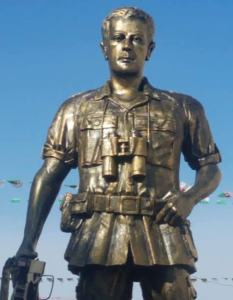
Didouche Mourad..The youngest of the six historic leaders of Algeria’s revolution
Algeria’s upper house unanimously approves army deployment to Niger
Tebboune: Algeria Respected for Independent Foreign Policy and Regional Peace Role
Bendouda Calls for Cultural Sovereignty at Saint Petersburg Forum
Attaf, Boulos discuss Algeria-US relations and regional issues

Air algérie launches direct Algiers-Berlin route