

“This Looks Like Surrender” : Robert Kagan Slams Trump’s Iran Approach
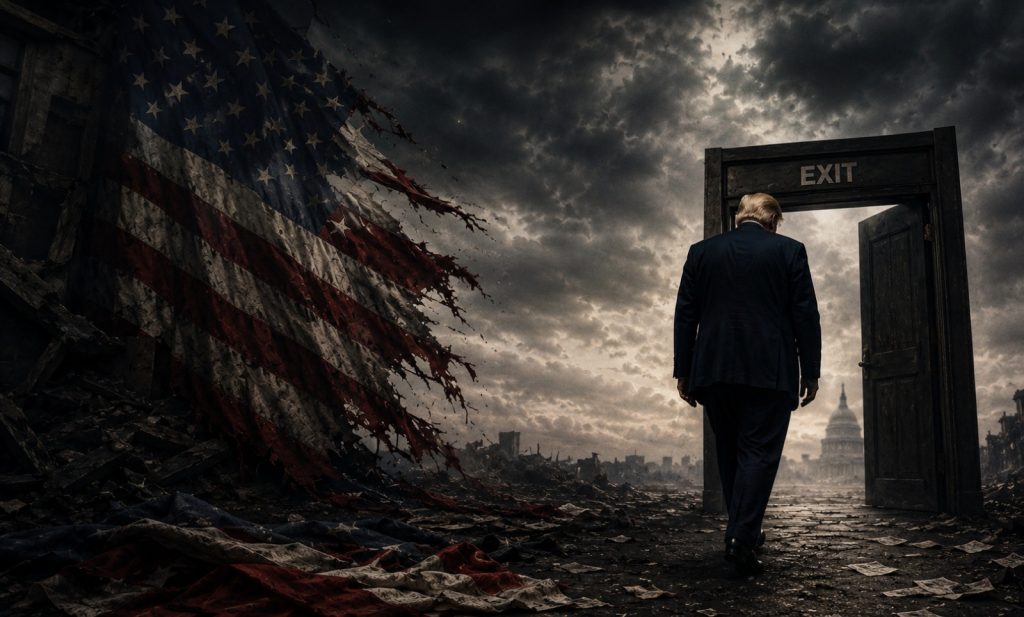
ANN _ American political analyst Robert Kagan says Donald Trump may be preparing a quiet exit from the confrontation with Iran one that could reshape the balance of power in the Middle East.
Writing amid growing tensions around the Gulf, Kagan argued that Trump’s reported push for a ceasefire and renewed talks with Tehran is less about diplomacy and more about finding a way out.
According to reports cited by Kagan, Trump told Israeli Prime Minister Benjamin Netanyahu that Washington is discussing a possible “letter of intent” with Iran that would formally end the fighting and open a new 30-day negotiation period over Tehran’s nuclear program and the future of the Strait of Hormuz.
For Kagan, the meaning behind that move is hard to miss.
“The United States is backing away from the crisis,” he wrote, arguing that any limited military strike now would likely be symbolic rather than part of a broader strategy.
Iran Betting Trump Won’t Escalate
Kagan believes Iranian leaders have spent months calculating that Trump would avoid a prolonged war, despite repeated threats from Washington.
That, he argues, is why Tehran has shown little willingness to compromise even after weeks of pressure and military escalation.
Much of the concern centers on the Strait of Hormuz, one of the world’s most important oil transit chokepoints.
Kagan warns that Iran could use any pause in fighting to strengthen its grip over maritime traffic in the area, forcing countries dependent on Gulf energy supplies to strike their own arrangements with Tehran.
Several countries, he noted, are already reported to be discussing temporary transit agreements.
If that trend accelerates, Kagan argues, international sanctions on Iran could begin to lose relevance as economic interests take priority.
Israel Facing Greater Isolation
The analysis also raises alarms over what this could mean for Israel.
Kagan argues that a stronger Iran would leave Israel more isolated diplomatically, especially if Gulf states and other U.S. allies decide maintaining stable ties with Tehran is necessary for protecting trade and energy flows.
He also warned that Iranian-backed groups in the region, including actors in Lebanon and Gaza, could regain momentum if Tehran emerges politically and financially stronger from the crisis.
According to Kagan, Israel may ultimately face a region where Iran carries more leverage than Washington.
A Different Gulf Taking Shape
For Kagan, the bigger issue is what happens if the United States slowly steps back from its traditional role as the dominant power in the Gulf.
He argues that the likely outcome would not be stability, but a region shaped by recurring tension, fragile shipping routes and shifting alliances built around economic survival.
His conclusion is blunt. If current trends continue, Iran may leave this crisis stronger than before and America’s influence in the Gulf weaker than many in Washington are prepared to admit.

Related posts
Bendjama rejects attempts to bypass Sahrawi Self-determination at UN
Didouche Mourad..The youngest of the six historic leaders of Algeria’s revolution
Algeria’s upper house unanimously approves army deployment to Niger
Tebboune: Algeria Respected for Independent Foreign Policy and Regional Peace Role
Bendouda Calls for Cultural Sovereignty at Saint Petersburg Forum
Attaf, Boulos discuss Algeria-US relations and regional issues
Air algérie launches direct Algiers-Berlin route