

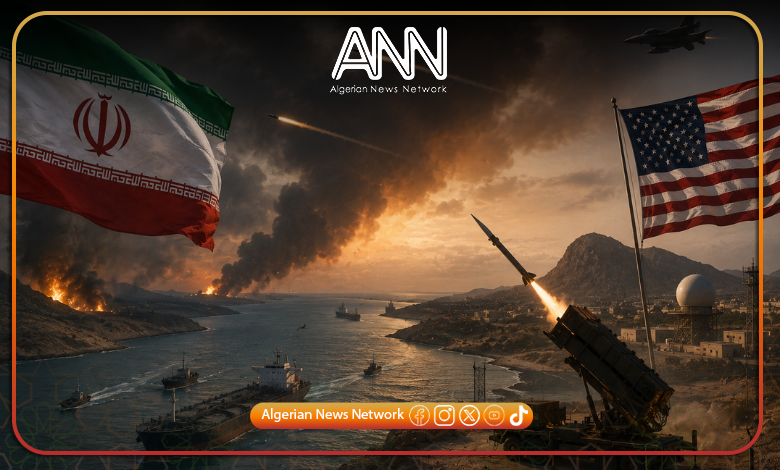
Iran-US Tensions Escalate Near Strait of Hormuz After Drone Strikes and Airbase Attack
A new round of military escalation between Iran and the United States unfolded on Thursday near the Strait of Hormuz, raising fresh concerns about stability in one of the world’s most sensitive shipping corridors.
Iran said it targeted a US military base after American forces carried out strikes against Iranian drones near the southern coastal city of Bandar Abbas. Washington described the operation as a defensive response aimed at preventing further attacks in the area.
The incident comes at a difficult moment for both sides. Diplomatic efforts have been underway for weeks to preserve a shaky ceasefire reached in April after months of confrontation, but repeated military incidents have continued to test that agreement.
A US official told Reuters that American forces shot down four Iranian attack drones and struck a ground control site that was preparing to launch another aircraft. The facility was reportedly located in Bandar Abbas, close to the Strait of Hormuz.
The official, speaking anonymously, said the operation was limited in scope and intended to stop what the US believed was an immediate threat.
“We acted defensively to maintain the ceasefire and avoid wider escalation,” the official said.
Iranian media gave a different version of events. The Tasnim news agency reported that the Revolutionary Guard had launched an attack on a US base connected to the earlier American strikes. Iranian authorities did not identify the base or say how much damage was caused.
In a statement carried by state-linked media, the Revolutionary Guard warned that any future “American aggression” would be met with a tougher response.
The exchange is likely to complicate already difficult negotiations between Tehran and Washington. Earlier this week, US President Donald Trump dismissed reports claiming the two countries were close to reaching a broader agreement, suggesting major differences still remain behind closed doors.
One of the central issues in the talks has been maritime security in the Strait of Hormuz, a narrow waterway that handles a large share of global oil exports. Even limited military activity in the area tends to rattle energy markets and shipping companies.
Regional diplomats have been trying to prevent the situation from sliding into a larger conflict, but Thursday’s events showed how quickly tensions can flare up again.
For now, neither side appears ready to abandon the ceasefire completely. Still, the latest exchange leaves little doubt that the situation remains volatile.

Related posts

At President Tebboune’s invitation, 100 American tourists to discover Algeria from november 9 to 15
Bendjama rejects attempts to bypass Sahrawi Self-determination at UN
Chanegriha inaugurates new military unit headquarters in Algeria’s 3rd military region

Tebboune: Algeria pays nearly 12 billion DZD in wildfire compensation

Tebboune: Algeria Respected for Independent Foreign Policy and Regional Peace Role
Tebboune meets algerian scientific diaspora council to advance national development

Attaf:Al-Quds status is a matter of justice and international legitimacy