

7 Vessels Expected in Mauritanian Waters: A New Milestone in Algeria-Mauritania Fishery Cooperation

In a significant move for regional economic integration, Mauritanian port infrastructures are actively preparing to welcome a fleet of Algerian fishing vessels. This operation marks the official implementation of the fisheries cooperation protocol signed between the two nations, aiming for a partnership that goes far beyond simple resource sharing.
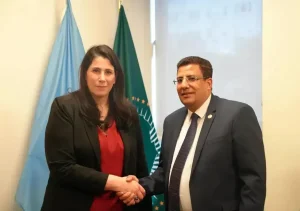
Algeria’s Minister of Agriculture, Rural Development, and Fisheries, Yacine El-Mahdi Oualid, recently conducted a field visit to the Port of Tanit, a strategic hub in the sector. Accompanied by his Mauritanian counterpart, Mohamedou Ould M’haimid, the ministers reviewed the progress of facilities designated to host seven Algerian vessels.
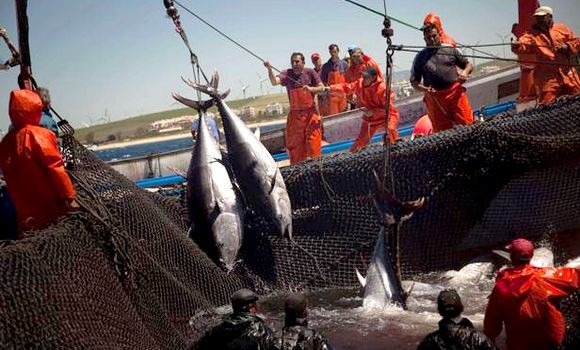
These vessels are set to exploit an agreed quota of 31,120 tons of fishery resources. During the visit, Minister Oualid engaged with shipowners and inspected the logistical equipment dedicated to the reception and packaging of the catch, evaluating Mauritania’s vast potential—boasting some of the world’s richest fishing grounds across 750 km of Atlantic coastline.
This collaboration is rooted in the 20th session of the Algerian-Mauritanian Grand Joint Commission held in Algiers. Key milestones include:
Licensing Agreements: A recent supplementary accord granting Algerian vessels access to Mauritanian fishing zones.
Scientific Cooperation: Plans for joint marine research, aquaculture development, and shipbuilding/repair services.
Strategic Synchronicity: Ongoing meetings with the Mauritanian National Fishing Federation (FNP) to eliminate logistical hurdles.
The Economic Impact of the Fishing Sector
Fisheries are a cornerstone of the Mauritanian economy, contributing:
10% of the GDP and nearly 45% of national exports.
An annual production between 1.5 and 1.8 million tons.
Employment for approximately 300,000 people.
For Algeria, this partnership offers a chance to diversify seafood supplies and modernize its maritime fleet. For Mauritania, it ensures a structured and legal valuation of its natural resources
Source: L’Algérie Aujourd’hui

Related posts
Bendjama rejects attempts to bypass Sahrawi Self-determination at UN

Didouche Mourad..The youngest of the six historic leaders of Algeria’s revolution
Algeria’s upper house unanimously approves army deployment to Niger
Tebboune: Algeria Respected for Independent Foreign Policy and Regional Peace Role
Bendouda Calls for Cultural Sovereignty at Saint Petersburg Forum
Attaf, Boulos discuss Algeria-US relations and regional issues

Air algérie launches direct Algiers-Berlin route