

Algeria’s Success in Containing Malaria and Diphtheria International Report Highlights Achievement
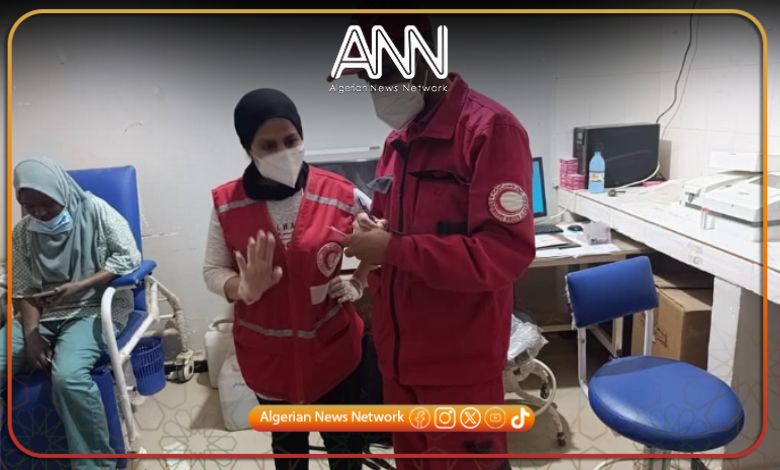
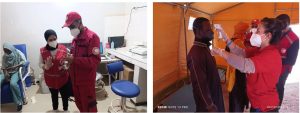
On April 22, 2026, the International Federation of Red Cross and Red Crescent Societies (IFRC) released its final report documenting Algeria’s successful conclusion of emergency operations in the south following the health crisis of late 2024. The report praised the rapid intervention and coordination between the Algerian Ministry of Health and the Algerian Red Crescent (ARC) in containing complex outbreaks of malaria and diphtheria.
Multi-Dimensional Crisis Management
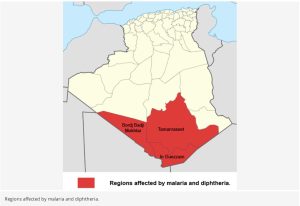
The crisis centered in the wilayas of In Guezzam and Bordj Badji Mokhtar, triggered by a combination of geopolitical and environmental factors. Violent hostilities in northern Mali during July 2024 forced an estimated 5,000 to 6,000 people to seek refuge in Algeria through the border town of Tinzaouatine. This sudden influx placed immense pressure on local health services, further complicated by heavy rains in September that created breeding grounds for mosquitoes.
Final Verified Figures and Health Response
– Malaria Outbreak: 536 confirmed cases, 40 fatalities.
– Diphtheria Outbreak: 115 confirmed cases, 28 fatalities.
– Vulnerability Factors: Rapid spread due to low vaccination coverage among displaced populations and stagnant water from environmental conditions.
A Model for Regional Solidarity
Following the Ministry of Health’s official report on October 3, 2024, the Algerian Red Crescent was mobilized to strengthen the response. The IFRC emphasized that the success of the operation was rooted in the spirit of “South-South” solidarity, bridging structural healthcare gaps through immediate field action and epidemiological surveillance.
International Recognition
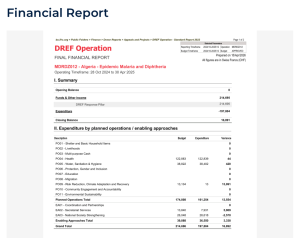
By April 2026, the official closure of the Disaster Response Emergency Fund (DREF) operation marked international acknowledgment of Algeria’s capacity to manage large-scale health emergencies resulting from cross-border displacement and climate-related challenges.
Source: IFRC Situation Report – Final Publication, April 2026

Related posts
At President Tebboune’s invitation, 100 American tourists to discover Algeria from november 9 to 15

Algeria’s upper house unanimously approves army deployment to Niger
Algeria joins AU efforts to secure fair African representation at UN security council

The truth about an Algerian vessel crossing the Strait of Hormuz
Attaf:Al-Quds status is a matter of justice and international legitimacy
Bendouda calls for cultural sovereignty at Saint Petersburg forum
Attaf, Boulos discuss Algeria-US relations and regional issues