

Experts confirming the president ABDELMADJID TEBBOUN’S word…
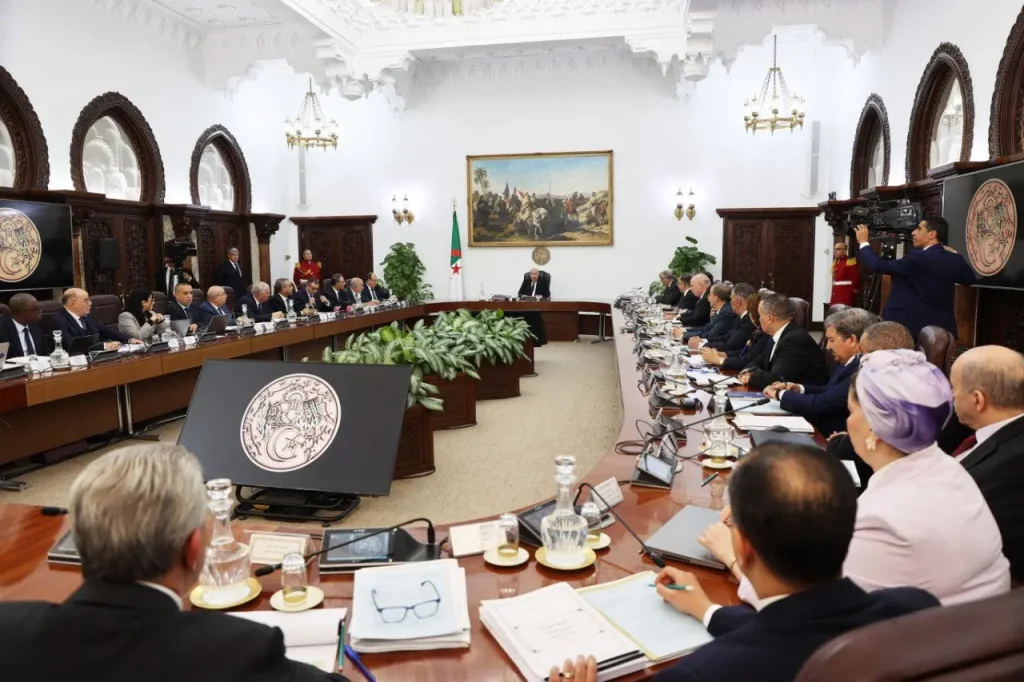
Algeria – On Monday, experts and academics praised the directives of the President of the Republic, Mr. Abdelmadjid Tebboune, aimed at continuing to support the involvement of youth in the process of national development. These directives reflect a clear strategic vision that has made young people the cornerstone and driving force of development
In this regard, economist Nasreddine Sari stated to APS that the President’s emphasis, during Sunday’s Council of Ministers meeting, on the growing positive role of youth in the economic sector, business management, and other fields is “a reflection of a well-defined strategic orientation that seeks to make youth the central pillar and main driver of development in the current and future stages.”
He added that the President’s call to continue this path of supporting national development and opening opportunities for young people to reach the highest positions “reflects Algeria’s steady move toward building a renewed economy based on young competencies capable of innovation, creating added value, and contributing to diversifying the economic base beyond hydrocarbons.” This, he said, “confirms the state’s confidence in its youth, whether through start-ups or by enabling them to manage economic affairs and various aspects of modern administration.”
He further noted that “opening the way for youth, including women, to assume high responsibilities in different sectors is an important step toward renewing elites, strengthening governance, and improving institutional performance, in line with the economic and social transformations the country is experiencing.” He emphasized that “the state’s support for youth initiative and encouragement of their integration into the economic cycle represents a fundamental pillar for building a strong, diversified, and sustainable national economy capable of meeting future challenges.”
For his part, Rabah Laroussi, professor of political science and international relations at the University of Algiers 3, considered that the President’s directives regarding youth empowerment come in the context of “recognizing the challenges they face today on multiple fronts,” adding that “addressing the concerns of this group was at the heart of the President’s commitments in his electoral program.”
He explained that “empowering youth in the economic field and expanding prospects to meet their demands forms the core of the national youth plan,” noting that “many of its components have already been achieved, particularly regarding financing and facilitating youth projects through banks and investment funds, while ensuring the multiplicity of entrepreneurship support agencies and diversifying tools that support the digital economy.”
He also pointed out that “encouraging youth to invest in strategic sectors such as agriculture, renewable energy, and manufacturing industries aligns with the vision that has worked to involve universities in entrepreneurial thinking. Through entrepreneurship centers, universities have become spaces to absorb research projects and student theses, translating them into initiatives that support the national economic fabric.”
Regarding upcoming elections, Mr. Laroussi clarified that they “represent an opportunity to highlight the importance of spaces that raise youth awareness about the need to engage in the electoral process, especially in light of fundamental reforms that reflect the President’s approach to affirm that Algeria’s future is built by its own sons and daughters.”
Meanwhile, Samir Bouaziz, President of the Algerian Youth Academy, considered that the President’s recognition of the growing positive role of youth in the economic sector reflects “the state’s political will to involve youth as a productive force and a key partner in supporting the national economy.”
He stressed that the call to continue this path “strengthens the climate of trust and opens broader horizons for young competencies to advance and effectively contribute to achieving development. This orientation confirms that youth empowerment is no longer a temporary option, but rather a fundamental pillar within the state’s strategic vision.”

Related posts

November 1.. revolution redefined the global struggle for liberation
Algiers hosts Youth-Led celebrations for 72nd anniversary of November 1 revolution
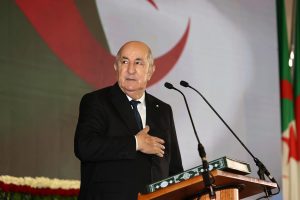
President Tebboune calls for safeguarding national interests in November 1 message
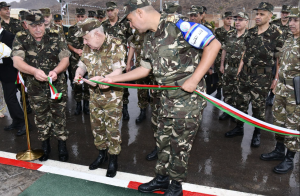
Chanegriha inaugurates new military unit headquarters in Algeria’s 3rd military region
Tebboune: Algeria pays nearly 12 billion DZD in wildfire compensation
Tebboune: Algeria Respected for Independent Foreign Policy and Regional Peace Role
Tebboune meets algerian scientific diaspora council to advance national development