
In Washington, Bank of Algeria Governor Highlights Strong International Governance as Key to Global Economic Performance
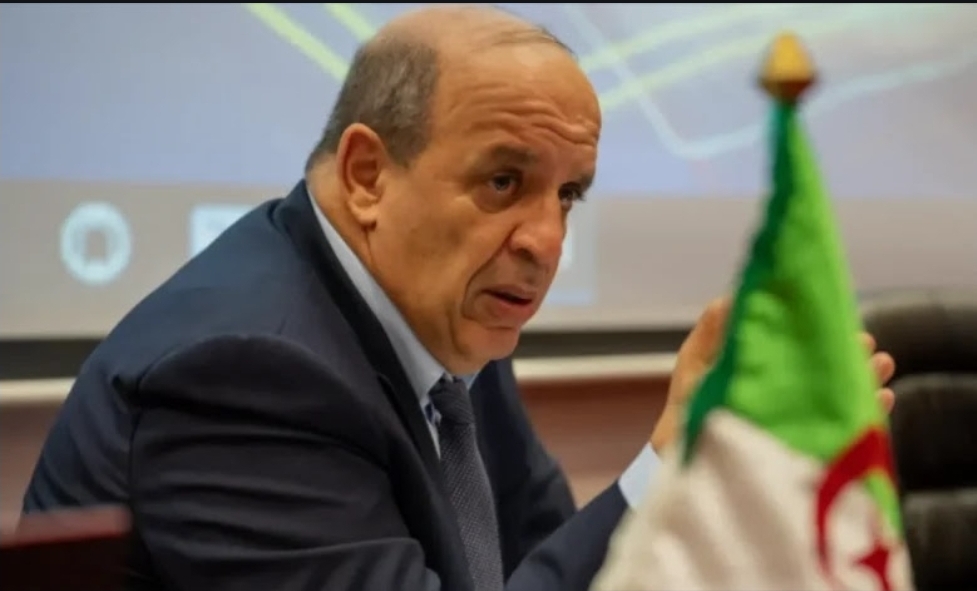
WASHINGTON – The Governor of the Bank of Algeria, Salah Eddine Taleb (referring to the current leadership context), emphasized during the 53rd meeting of the International Monetary and Financial Committee (IMFC) the necessity for fiscal policies to focus on strengthening regulatory and supervisory frameworks and monitoring emerging risks. He stressed the importance of achieving price stability amid the geopolitical situation in the Middle East, adding that fostering strong international governance is a prerequisite for improving global economic performance.
Speaking on behalf of a constituency including Algeria, Ghana, the Islamic Republic of Iran, Libya, Morocco, Pakistan, and Tunisia during the meetings held on April 16-17 on the sidelines of the IMF and World Bank Spring Meetings, the Governor stated: “Strengthening strong international governance remains a fundamental condition for the proper functioning of the global economy. Effective multilateral frameworks are capable of reducing the frequency and mitigating the impact of shocks by facilitating coordinated and orderly policy adjustments.”
He added that amidst the uncertainty characterizing the global economy due to the situation in the Middle East, “monetary policy should remain firmly oriented toward achieving price stability. Furthermore, enhancing exchange rate flexibility would support the ability of economies to absorb shocks, particularly in food and energy-importing countries facing balance of payments pressures.”
In the same vein, he noted that fiscal policy must support monetary policy “while continuing to protect vulnerable households, especially in light of rising food prices that increase the risks of food insecurity and poverty. Simultaneously, measures taken must be based on credible medium-term fiscal frameworks, presented clearly to maintain confidence in public policies. Whenever additional revenues become available, they should be directed toward rebuilding fiscal buffers.”
Addressing financial sector policies, he emphasized focusing on strengthening regulatory and supervisory frameworks and closely monitoring emerging risks, including those arising from financial digitalization—such as crypto-assets—and risks associated with non-bank financial institutions.
Reviewing the implications of the situation in the Middle East and the Gulf, the Governor noted that growth outcomes are expected to remain highly uneven across countries, reflecting differing relative importance of transmission channels and the structural characteristics of each economy. This disparity is likely to intensify in economies already suffering from fiscal and external fragility.
He pointed out that global growth prospects “remain fraught with a high degree of uncertainty” due to this escalation, adding that its repercussions include global supply chains, financial markets, and traditional energy markets. Global growth is expected to remain weak alongside growing inflationary pressures.
While highlighting Algeria’s continued “effective contribution to supporting the energy market through ongoing efforts to boost natural gas exports to the European Union,” the Governor noted that several economies have suffered severe damage, particularly in energy infrastructure. He remarked that “these losses far outweigh any potential gains from rising energy prices, especially given the impact of sanctions that restrict access to international trade and financial markets.”
Conversely, energy-importing economies face negative repercussions through higher import bills, weighing on their fiscal and external positions. These pressures are exacerbated by additional channels such as declining remittances from expatriates, weak tourism revenues, tightening financial conditions, and slowing capital flows.
Furthermore, on behalf of the group, he praised the role of the International Monetary Fund in international economic governance, commending “the Fund’s work in addressing excessive external imbalances in major economies.” He stressed the “importance of systematically integrating external sector analysis into surveillance work, including assessing the spillovers from policies adopted in systemically important economies on smaller and more vulnerable countries.”
In this regard, he welcomed the Managing Director’s Global Policy Agenda, which ensures the Fund’s continued support for member countries through policy advice, capacity development, and financial assistance. He noted the importance of “ongoing key reviews, including the comprehensive surveillance review, the Financial Sector Assessment Program (FSAP) review, and reviews of program design and associated conditionality frameworks.”
Concluding his speech, he affirmed the group’s support for “guidelines on quota and governance reform,” emphasizing the need for continued progress in reforming the Fund’s governance. He called on members who have not yet completed their internal procedures for approving quota increases under the 16th General Review of Quotas to expedite the process without further delay, highlighting the “importance of moving forward with ongoing discussions within the framework of the 17th General Review of Quotas.”

Related posts
PAP chief, AU deputy chair agree to strengthen coordination
Djellaoui meets IsDB and AfDB delegations
Algeria inaugurates automotive plastics plant in Tissemsilt
BRICS Summit: Economic ambitions rise amid global tensions
President Tebboune orders action against false trade declarations in Algeria
Algiers IATF edition gives fresh boost to Intra-African trade
Boukhari attends opening of Chad’s economic and social council session